Biography
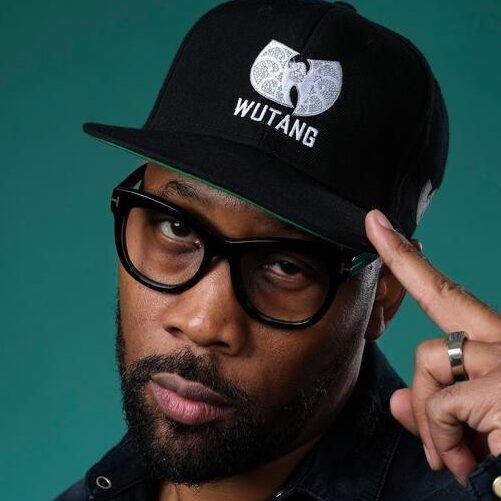
RZA (born Robert Fitzgerald Diggs) is a multifaceted artist—rapper, producer, actor, director, and composer—best known as the founding member and creative architect behind the iconic hip-hop group Wu-Tang Clan. Widely respected for his minimalist, sample-driven production style, RZA helped redefine East Coast hip-hop in the 1990s while simultaneously building a cross-disciplinary career that spans film, television, and scoring.
RZA transitioned into film composition in the late 1990s, earning early acclaim for his work on Ghost Dog: The Way of the Samurai directed by Jim Jarmusch. He went on to compose or contribute music to major films including Kill Bill: Volume 1 and Kill Bill: Volume 2 for Quentin Tarantino, as well as Blade: Trinity and American Gangster. His work in film scoring has been recognized for blending hip-hop sensibilities with cinematic orchestration, earning him industry respect and several award nominations across music and film circles.
As a filmmaker, RZA made his directorial debut with the martial arts film The Man with the Iron Fists, which he also co-wrote and starred in. He continued directing with Love Beats Rhymes, a music-driven drama starring Azealia Banks. In front of the camera, RZA has built a steady acting career, appearing in films such as American Gangster, G.I. Joe: Retaliation, Popstar: Never Stop Never Stopping, and Nobody, as well as television series like Californication and Wu-Tang: An American Saga, the latter of which chronicles the rise of his group and features RZA as an executive producer.
In addition to his creative work, RZA has been recognized with honors including a Grammy Awards win as part of Wu-Tang Clan’s extended legacy and continued nominations for his production and soundtrack contributions. His influence extends beyond music into storytelling and cultural authorship, including published works like The Tao of Wu, which explores his philosophy and artistic journey.
In recent years, RZA has remained active across multiple platforms, contributing music to film and television, producing new Wu-Tang Clan-related content, and expanding his presence in Hollywood through acting and behind-the-scenes roles. With continued involvement in projects tied to Wu-Tang: An American Saga and new ventures in scoring and directing, RZA’s career reflects a rare longevity—bridging hip-hop culture with film and television while evolving as a modern multimedia storyteller.
